Q-Park sees new EU mobility agenda as catalyst for smarter, more liveable cities
As SUMP 3.0 shifts Europe’s focus from mobility planning to measurable delivery, Q-Park is positioning its parking infrastructure, Mobility Hubs, digital services and data capabilities as practical tools for urban transformation.
Across Europe, cities are under pressure to cut congestion, improve air quality, accelerate decarbonisation and keep urban centres accessible. The new SUMP 3.0 guidelines raise the stakes by making sustainable urban mobility planning more delivery-focused, with stronger emphasis on governance, monitoring and measurable outcomes.
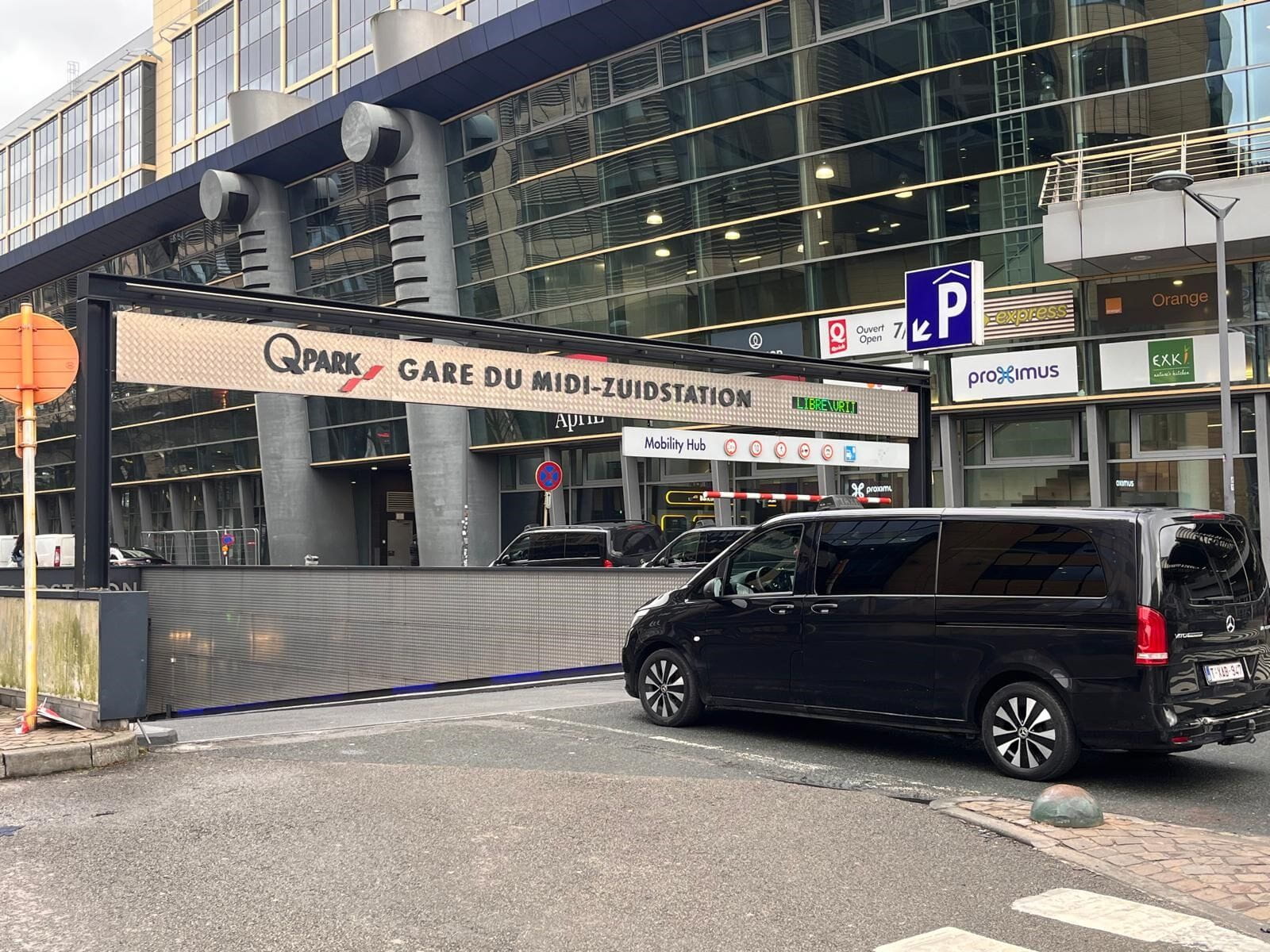
For Q-Park, this is a significant moment. Parking is no longer only about managing vehicles at the end of a journey. In the SUMP 3.0 context, well-located parking facilities can become gateways into more sustainable urban travel, connecting motorists with public transport, walking, cycling, shared mobility and EV charging.
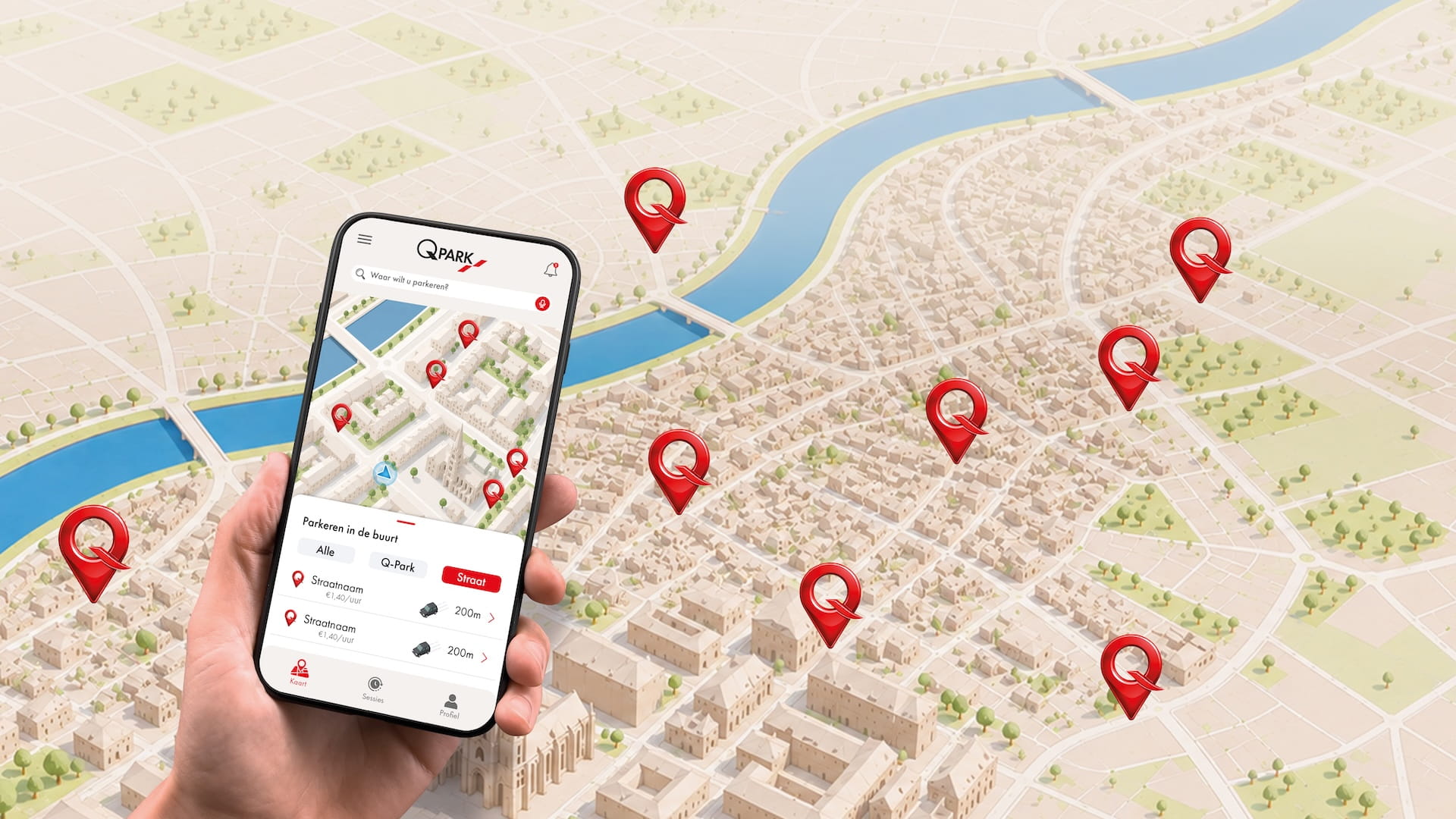
Q-Park is already present in 84 of the 165 urban node cities identified by the EU. This gives Q-Park a strong platform to support cities and Functional Urban Areas as they move from policy ambition to practical delivery.
“The future of parking is not simply about spaces, but about how those spaces help cities work better,” said Frank De Moor – Q-Park CEO. “SUMP 3.0 creates a clearer framework for collaboration between public authorities and mobility partners. Our role is to bring infrastructure, data and operational expertise to the table so cities can deliver outcomes that are visible, measurable and useful for residents, businesses and visitors.”
The opportunity is particularly relevant beyond city boundaries. SUMP 3.0 places stronger emphasis on Functional Urban Areas, reflecting the reality that daily journeys for work, education, retail and leisure rarely stop at municipal borders. Q-Park’s regional network of parking facilities can help authorities manage demand before vehicles enter (or create) the most congested areas, while preserving access to city centres.
What Q-Park can help cities deliver
- Measurable mobility outcomes: Parking data can support decisions on demand, capacity, dwell times, modal transfer, EV charging utilisation and the performance of P+R and Mobility Hub services.
- Cleaner and easier journeys: Q-Park parking facilities can connect motorists to public transport, active mobility, shared mobility and charging services, helping cities reduce pressure on streets and kerbsides.
- Support for access regulation: As Low Emission Zones (LEZs), Zero Emission Zones (ZEZs) and other Urban Vehicle Access Regulations (UVARs) expand, off-street parking and Mobility Hubs can help maintain accessibility while reducing city-centre traffic.
- New urban logistics potential: Selected parking facilities may support micro-consolidation, last-mile delivery, cargo-bike distribution and more efficient servicing of dense urban areas.
The common thread is partnership. SUMP 3.0 highlights the need for cooperation between public authorities, transport operators, businesses, residents and mobility providers. Q-Park can contribute practical insights, location-based data and operational expertise to help shape solutions that are both ambitious and deliverable.
As Europe’s cities prepare for the next phase of sustainable mobility planning, Q-Park sees an opportunity to help turn policy frameworks into practical improvements on the ground: fewer unnecessary vehicle movements, better multimodal connections, cleaner access, and more liveable and economically vital urban centres.